

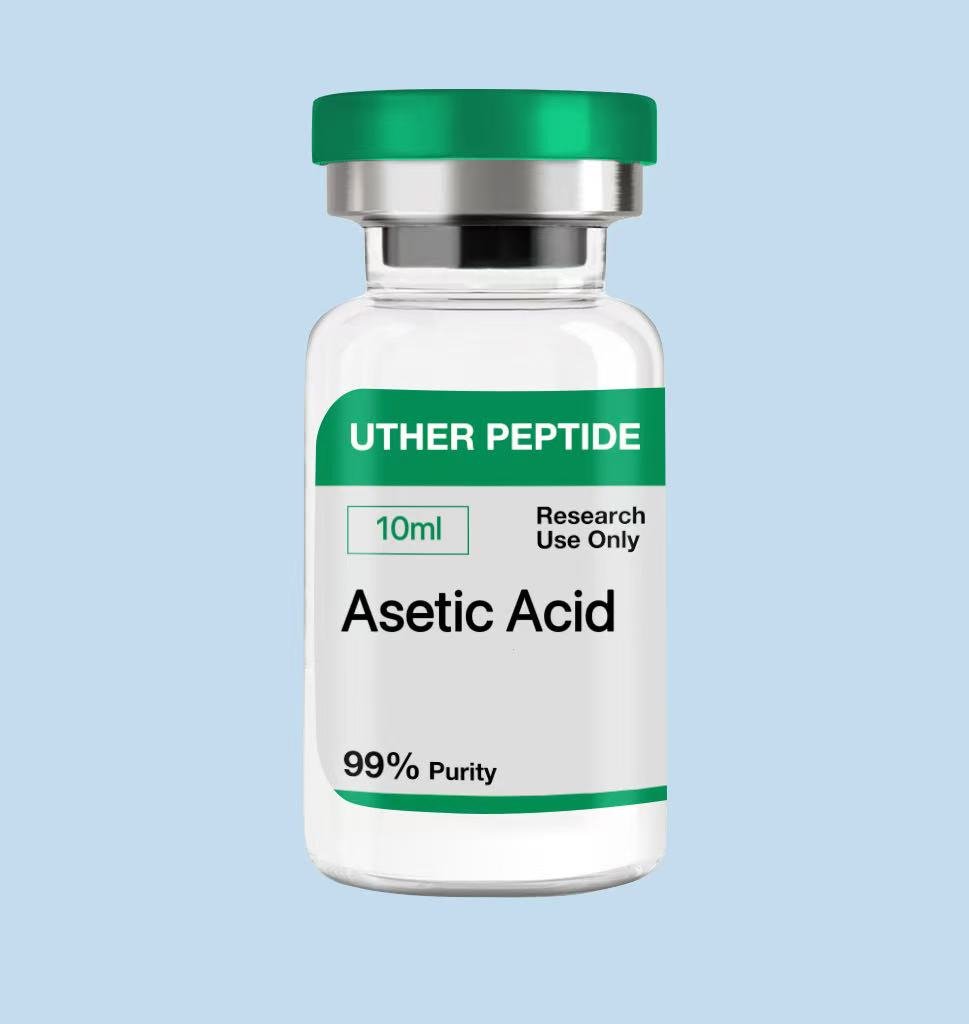
Asetic Acid water 0.6% 10ml
$17.00
13
People watching this product now!
描述
1. Primary Functions & Mechanisms
After-sales guarantee
The company assigns a 1-on-1 service specialist to each customer, providing professional technical consultation and answering questions related to product application. The products are also provided with authoritative COA test reports, clearly indicating a purity of ≥ 99%, meeting the quality verification and traceability needs of various customers. Relying on compliant qualifications and a mature logistics system, there is no customs clearance risk. After the order is confirmed, the products will be shipped within 48 hours. Whether it is a small purchase or a bulk order, the delivery time can be guaranteed. The company establishes an exclusive customer service file, regularly following up on usage feedback and replenishment needs. In case of quality issues not caused by human factors, the company supports return and exchange services, and also provides a rapid replenishment solution. With a high repurchase rate and excellent reputation, it ensures the entire process of cooperation for every customer.