
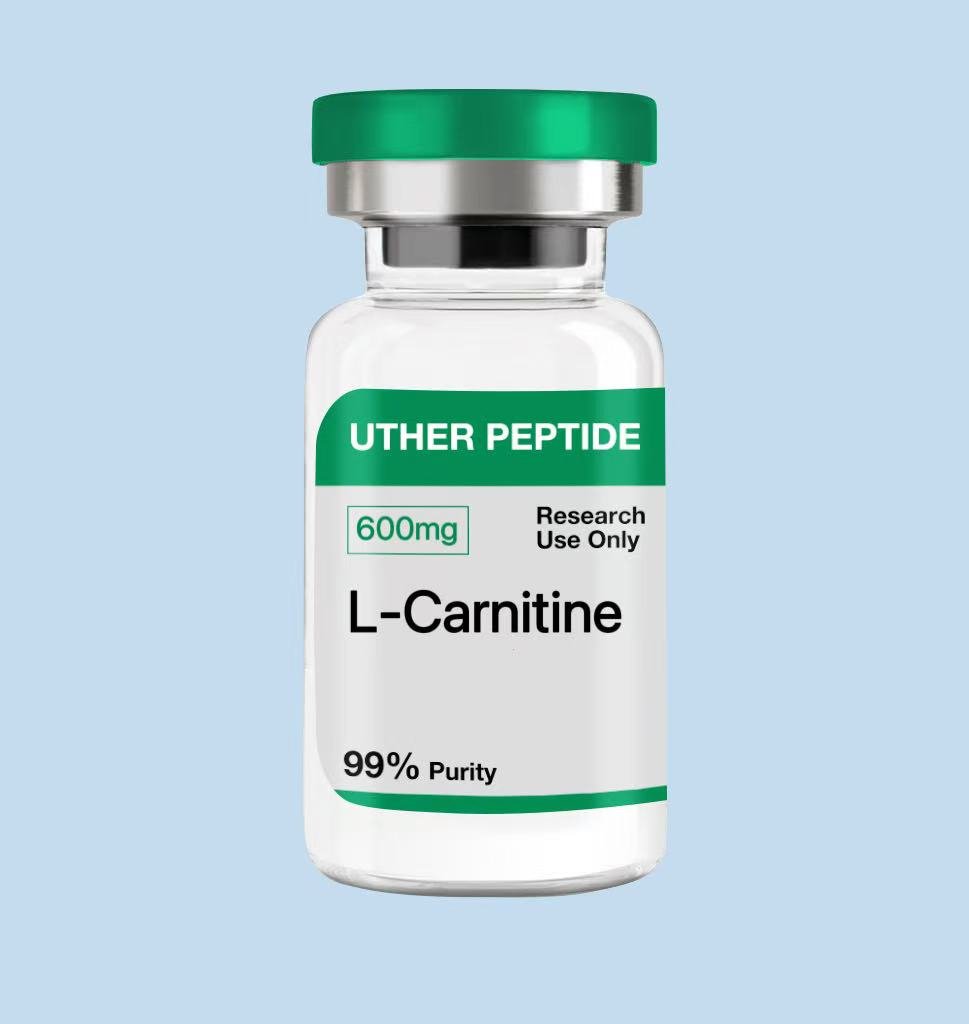
L-Carnitine 600mg
$105.00
1. Core Physiological Benefits (Backed by Scientific Mechanisms)
-
Fat Metabolism “Transporter” (Primary Function)
L-Carnitine acts as a critical carrier that transports long-chain fatty acids from the cytoplasm into the mitochondrial matrix (the cell’s “energy factory”). Only once fatty acids enter the mitochondria can they be oxidized and broken down into ATP (adenosine triphosphate), the body’s primary energy source. Essentially, it facilitates fat entry into the “combustion chamber,” directly enhancing fat oxidation efficiency and reducing fat accumulation in tissues like the liver and muscles.
Note: This process requires sufficient oxygen (most effective during aerobic exercise) and does not directly promote fat burning during anaerobic activity.
-
Boosts Energy Metabolism & Athletic Performance
- Enhances endurance: Reduces lactic acid buildup during exercise (delaying muscle soreness) and extends the duration of high-intensity workouts.
- Accelerates recovery: Helps clear metabolic waste post-exercise, alleviates muscle fatigue, and is particularly beneficial for endurance sports (e.g., long-distance running, swimming) or HIIT (High-Intensity Interval Training).
-
Supports Cardiovascular & Liver Health
- Cardiovascular health: Lowers blood triglyceride and free fatty acid levels, reducing the risk of atherosclerosis. It also improves myocardial energy supply, offering auxiliary protection against ischemic heart disease.
- Liver health: Promotes the transport of liver fat (e.g., triglycerides in non-alcoholic fatty liver disease) to mitochondria for breakdown, supporting improvements in NAFLD-related metabolic markers.
-
Neuroprotective & Cognitive Support
Brain and nerve cells rely heavily on mitochondrial energy metabolism. L-Carnitine exerts neuroprotective effects by:
- Reducing oxidative stress in nerve cells (scavenging free radicals);
- Maintaining the stability of nerve cell membranes.
It has shown potential in auxiliary research for neurodegenerative diseases like Alzheimer’s and Parkinson’s, and may improve cognitive function in older adults.
-
Nutritional Support for Special Populations
- Older adults: Endogenous L-Carnitine synthesis declines with age; supplementation can help mitigate muscle loss and decreased energy levels.
- Vegetarians/Vegans: Dietary L-Carnitine is primarily derived from red meat and dairy products. Vegetarians are at higher risk of deficiency, and supplementation helps maintain metabolic balance.
- Chronic kidney disease patients: The kidneys are the main site of L-Carnitine synthesis; individuals with impaired renal function may require additional supplementation to prevent deficiency.
